Before You Buy a Watch, Ask About Its Movement: The Truth Few Sellers Won't Tell You
The watch industry has never been more competitive.
Every day, social media is flooded with stunning watch photos, cinematic videos, and advertisements promising luxury at unbelievable prices. Many watches look incredible online. But once they arrive, buyers often discover that the product doesn't match their expectations.
The finishing feels cheap.
The watch doesn't keep accurate time.
The bracelet feels loose.
The overall quality simply isn't there.
And while some people try to justify the purchase by saying, "At least I didn't spend much," the reality is different.
If you didn't receive what you believed you were buying, the problem isn't the price. The problem is that you made a decision without knowing what truly matters.
And in watchmaking, what matters most is the movement.
Buying a Watch Is Like Buying a Car
Imagine walking into a dealership and purchasing a vehicle without asking what engine is under the hood.
Experienced buyers would never do that.
Why?
Because the engine determines reliability, performance, longevity, and overall value.
The same principle applies to watches.
Many buyers focus entirely on the dial color, case shape, or marketing photos while completely ignoring the movement inside.
That's a mistake.
Because the movement is the engine of the watch.
It is the component responsible for measuring time accurately and keeping the watch running year after year.
Without a quality movement, even the most beautiful watch becomes little more than jewelry.
What Is a Watch Movement?
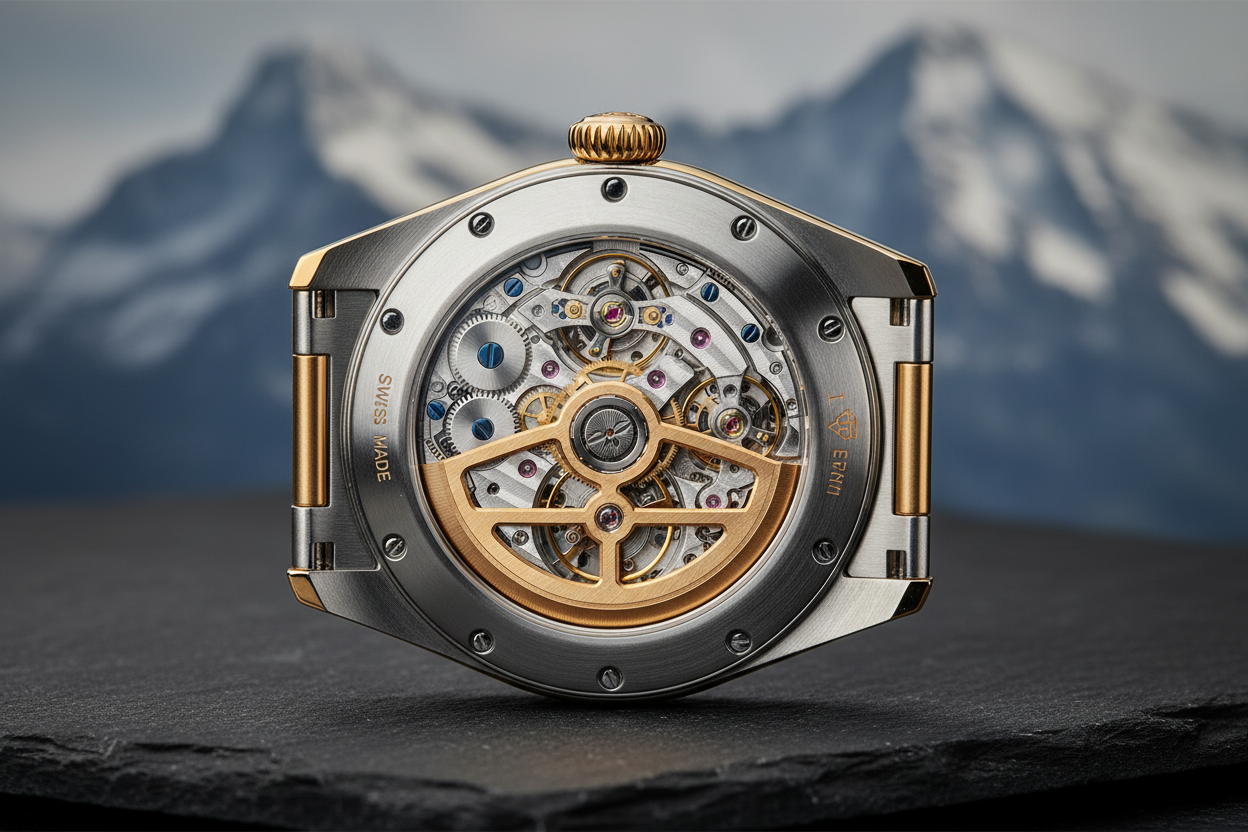
A watch movement, also known as a caliber, is the internal mechanism that powers the watch.
Whether mechanical, automatic, or quartz, the movement is responsible for every function of the timepiece.
A quality movement directly affects:
Accuracy
A well-made movement maintains reliable timekeeping and minimizes daily deviation.
Durability
High-quality movements are designed to operate for decades when properly maintained.
Serviceability
Established movements from respected manufacturers can be serviced, repaired, and maintained for many years.
Resale Value
Collectors and enthusiasts often judge a watch first by the movement inside rather than the logo on the dial.
Two watches may look nearly identical externally but differ dramatically in value depending on what powers them.
Why Many Brands Avoid Talking About the Movement
One of the biggest warning signs in the watch industry is a lack of transparency.
If a brand clearly describes the case material, sapphire crystal, water resistance, and movement, that's usually a positive sign.
But when a company avoids mentioning the caliber entirely, buyers should ask questions.
A movement isn't a minor detail.
It's the heart of the watch.
Brands that are proud of their products typically have no reason to hide what powers them.
Swiss Movements, Japanese Movements, and Why Transparency Matters
Not every watch needs a Swiss movement to be a good watch.
Japan produces excellent movements through manufacturers such as Miyota and Seiko.
Switzerland produces world-renowned calibers from companies such as Sellita and ETA.
The important thing isn't necessarily where the movement comes from.
The important thing is that you know exactly what you're buying.
Transparency creates trust.
And trust is what every watch buyer deserves.
Why MAESLUX Believes in Full Disclosure
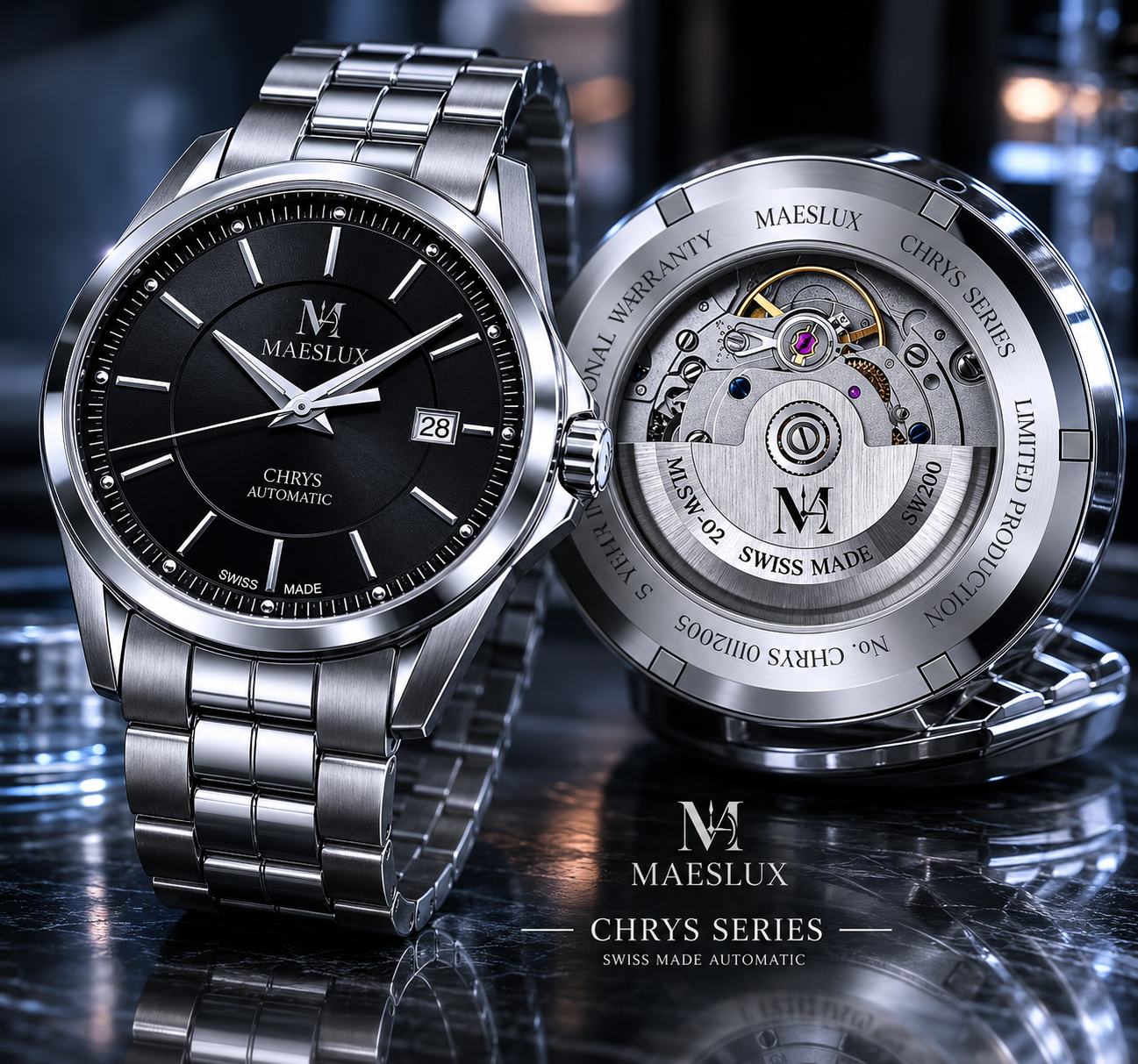
At MAESLUX, we believe customers should never have to guess what's inside their watch.
That's why we clearly communicate the specifications of every model we offer.
We believe informed customers make better decisions.
Whether a watch contains a Swiss Sellita movement, a Japanese Miyota movement, sapphire crystal, or specific water-resistance ratings, we want you to know exactly what you're paying for.
No surprises.
No vague descriptions.
No marketing tricks.
Just honest information so you can make a confident decision.
The Next Time You Shop for a Watch, Ask One Simple Question
Before you ask about the color.
Before you ask about the discount.
Before you ask about the packaging.
Ask this:
"What movement is inside this watch?"
The answer will tell you far more about the watch than any advertisement ever could.
Because long after the packaging is gone and the novelty fades, the movement is what keeps the watch alive.
And that's the truth few sellers will ever tell you.