Why Swiss Watches Cost More: The Truth Behind the Price
Many first-time buyers wonder why one watch costs $200 while another Swiss watch can cost several thousand dollars.
The answer goes far beyond the logo on the dial.
Swiss watches command higher prices because of their engineering, manufacturing standards, skilled labor, and long-standing reputation for excellence.
Centuries of Watchmaking Tradition
Switzerland has been the center of fine watchmaking for hundreds of years.
Generations of craftsmen have refined techniques that combine precision engineering with artistic finishing, creating watches that are admired worldwide.
This heritage cannot be replicated overnight.
Premium Materials
Luxury Swiss watches often include:
- Sapphire crystal
- High-grade stainless steel
- Swiss automatic movements
- Precision-machined components
- High-quality dials and hands
- Superior polishing and finishing
These materials are significantly more expensive than those found in mass-produced fashion watches.
Skilled Human Labor
Unlike inexpensive watches produced almost entirely by automated assembly lines, many Swiss watches require highly trained technicians to assemble, regulate, inspect, and test each movement.
This expertise increases production costs but also improves quality and reliability.
Strict Swiss Regulations
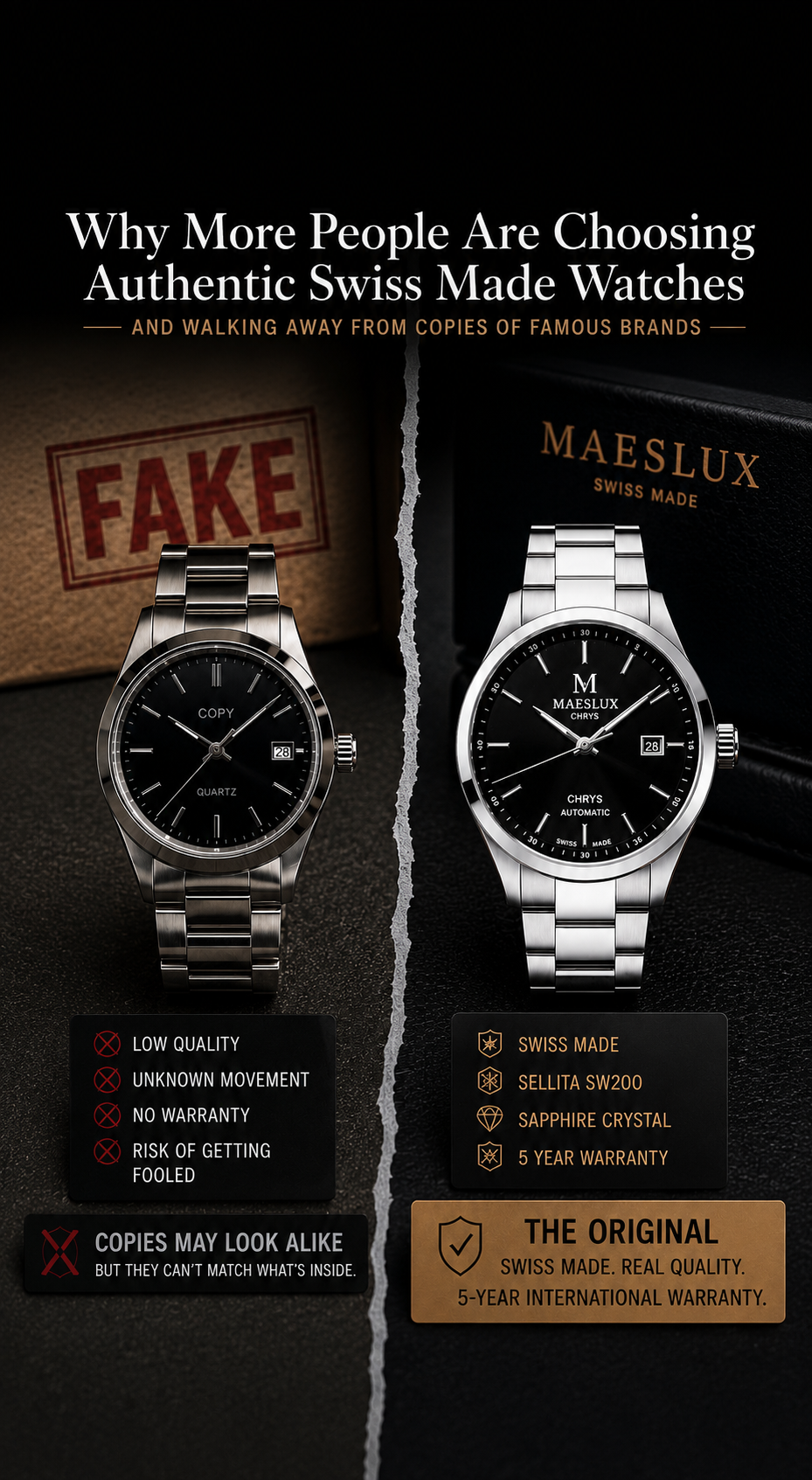
The Swiss Made designation is protected by law and requires manufacturers to meet strict production standards.
These regulations help preserve the reputation of Swiss watchmaking and ensure buyers receive authentic Swiss quality.
Mechanical Engineering
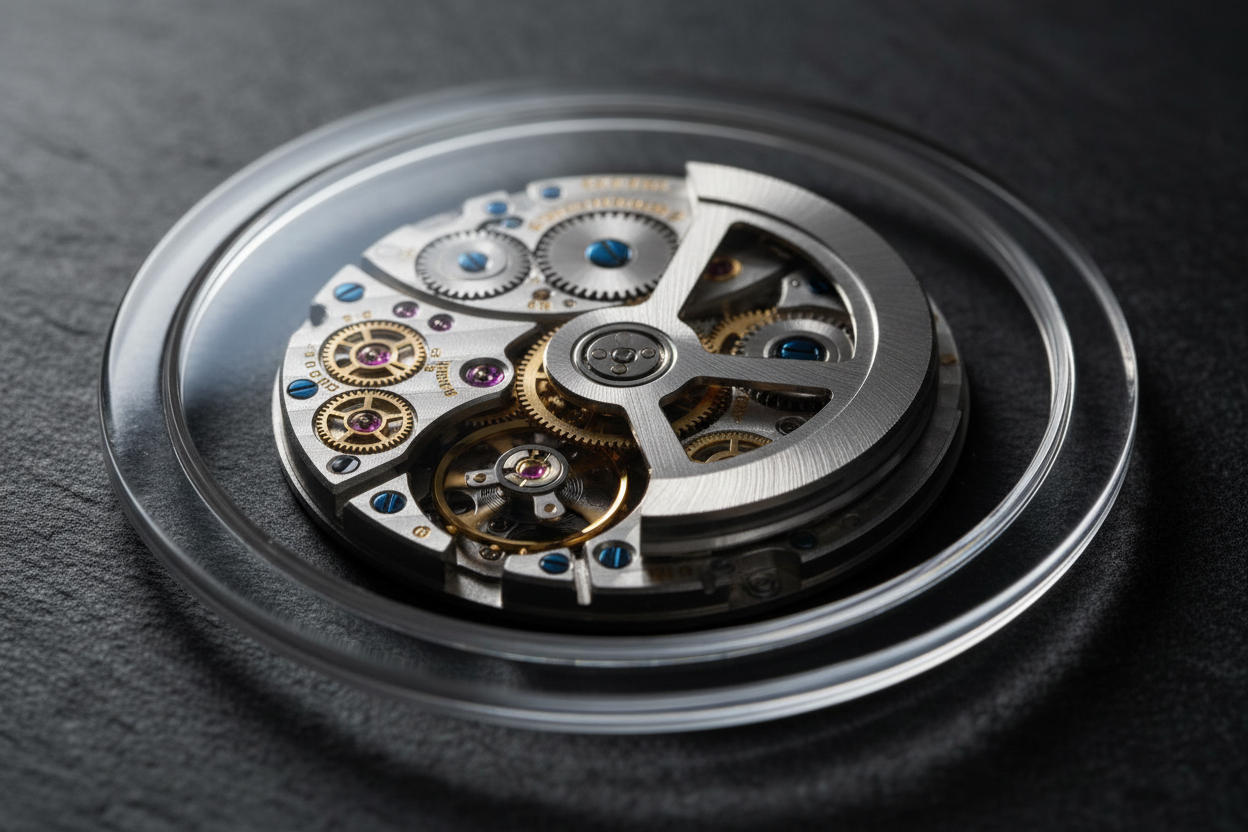
An automatic Swiss movement contains dozens of microscopic components working together with extraordinary precision.
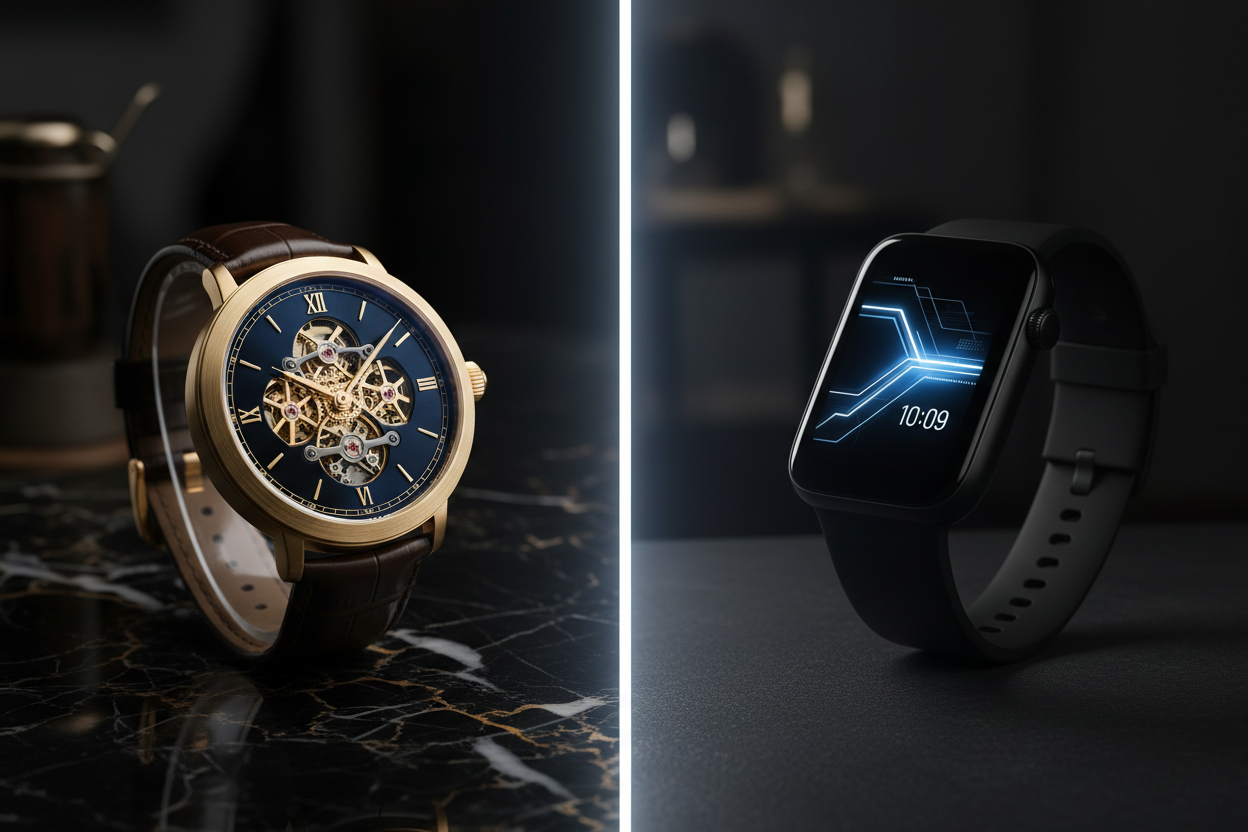
Unlike electronic devices that rely on batteries and software updates, a mechanical movement represents traditional engineering that can remain functional for generations with proper servicing.
Quality Control
Every premium Swiss watch undergoes multiple inspections before leaving the factory.
Attention to detail includes:
- Dial alignment
- Hand positioning
- Case finishing
- Bracelet construction
- Water resistance testing
- Timekeeping performance
These additional quality checks contribute to higher production costs.
Long-Term Ownership
A quality Swiss watch is designed to last decades.
Many owners eventually pass their watches to their children or grandchildren.
This long service life makes the purchase fundamentally different from buying disposable consumer electronics.
Frequently Asked Questions
Why are Swiss watches more expensive than fashion watches?
Swiss watches use superior materials, precision movements, skilled labor, and rigorous quality standards that increase manufacturing costs.
Are Swiss watches worth the money?
For buyers who value craftsmanship, durability, and timeless design, many consider Swiss watches an excellent long-term purchase.
Can a Swiss watch last forever?
With proper maintenance and periodic servicing, many Swiss mechanical watches remain operational for multiple generations.
Final Thoughts
The price of a Swiss watch reflects far more than its appearance.
It represents decades of engineering experience, centuries of watchmaking tradition, exceptional materials, and meticulous craftsmanship.
When you purchase a genuine Swiss timepiece, you are not simply buying a way to tell time—you are investing in a piece of mechanical history designed to outlive trends and stand the test of time.
Explore More from MAESLUX
- Swiss Made vs Swiss Movement: What Every Buyer Should Know
- The Sellita SW200 Explained
- Why Swiss Watches Hold Their Value Better Than Most Luxury Watches
- How to Buy Your First Swiss Luxury Watch
- Explore the MAESLUX CHRYS Swiss Automatic Collection
Precision Built to Last a Lifetime
The MAESLUX CHRYS Swiss Automatic embodies the values that have defined Swiss watchmaking for generations: precision, craftsmanship, and timeless elegance. Discover a watch built not just for today, but for a lifetime.